Why Water Heater Problems Increase in Summer in Atlanta, GA (Even When You Least Expect It): Commercial Water Heater Service Atlanta, GA
Atlanta summers are hot, humid, and busy. That mix often exposes weak spots in commercial hot water systems across Midtown offices, Buckhead retail, Downtown hotels, and restaurants along the BeltLine. If your team is chasing lukewarm taps or slow recovery, it is time to look at how summer demand, water temperature shifts, and sediment team up to stress equipment. Explore your options on our commercial water heater replacement page if your system keeps falling short.
What Changes In Summer For Atlanta Businesses
Summer does not always mean higher water use every hour. It means different patterns. Gyms see early peaks. Hotels near Hartsfield-Jackson and convention sites swing with check-in waves. Restaurants and day camps spike at lunch. Those swings push burners, elements, recirculation pumps, and mixing valves to keep up, then cool down, then surge again.
Warm incoming water also changes how your thermostatic mixing valves behave. It may take less burner time to hit a setpoint, but valves can drift or stick after long idle periods. Add in heavier laundry cycles and more handwashing, and small problems grow fast. Do not ignore sudden temperature swings that appear right after a rush. They are an early warning sign your building should not brush off.
Why Fluctuating Demand Stresses Commercial Systems
Commercial plumbing never truly rests. Even when a building looks slow, recirculation and standby losses nibble away at capacity. Then a crowd arrives and every gallon must be ready right now. That on-off rhythm is tough on parts that expect steadier loads.
- Short, sharp peaks cause burners or elements to cycle more often, wearing components faster.
- Recirculation lines can waste heat if balancing valves drift, making tanks work overtime to keep loops hot.
- Mixing valves may be forced past their sweet spot, leading to tepid water or scalding risk.
- Expansion from higher room temps strains gaskets, relief valves, and joints.
Need a quick starting point for specs, service, and support? Tap into our commercial water heater service Atlanta, GA hub to connect with a pro team that understands local buildings and usage patterns.
Sediment Buildup Becomes Noticeable In Hot Months
Atlanta’s warm season can shift water chemistry and flow rates through mains. That change stirs sediment that has settled in tanks and separators. When demand spikes, the turbulence pushes flakes into strainers, mixing valves, and fixtures. You hear pops and rumbles, recovery slows, and elements or burners work longer to deliver the same hot water. Popping or rumbling from the tank is a sign the system needs attention from a commercial plumbing specialist.
Sediment is not just messy. It insulates heat transfer surfaces, reduces storage volume, and can lead to nuisance shutdowns. If your staff in Sandy Springs or Old Fourth Ward is reporting cloudy water right after opening, it is a clue that buildup is on the move. Schedule water heater maintenance with a team that can flush, clean strainers, verify pump performance, and reset controls safely for summer loads.
Signs Your Building Has A Summer Water Heater Problem
- Hot water that turns lukewarm during rush periods, then returns later.
- Longer waits for hot water at distant taps despite a recirculation loop.
- Rumbling or popping noises from storage tanks or heaters.
- Discolored or cloudy water after high-demand windows.
- Persistent error codes, tripped breakers, or burner lockouts.
- Intermittent temperature swings at showers or hand sinks.
- Visible drips at valves or relief lines, or damp floors in the mechanical room.
Call for help at the first sign of leaks or odors. Small issues can snowball when the building heats up and demand spikes. A trained tech can isolate whether the trouble is heat source, storage, mixing, or recirculation.
How Proactive Maintenance Protects Your Business
A thoughtful maintenance plan keeps performance steady when the weather flips. For most commercial sites in Atlanta, that plan includes full inspections, cleaning, and calibration before peak season so your system can coast through the heat.
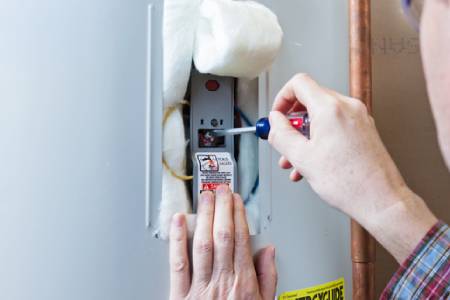
During a professional visit, your crew should verify combustion or element performance, inspect anodes and liners, test mixing valves, confirm pump flow, clean strainers, and review setpoints against your real demand profile. Schedule maintenance before peak season so your system hits summer at full strength. If your building has recurring pressure dips or unexpected dirt in the strainers, your tech may also check supply lines for breaks that can draw in soil. Learn how our underground plumbing services help rule out hidden leaks that feed sediment problems.
When your team at ACAPX services a site, we align visit timing with your rush windows, verify safety controls, and update your log so managers can track trends. That makes it easier to justify upgrades before comfort or uptime are at risk.
Local insight: Late July and early August heat in Atlanta can warm incoming water enough to throw off mixing balance and perceived “feel” at taps. Keep documented setpoints and verify recirculation pump run times weekly during peak season to spot drift early.
When Repair Is Not Enough
Some systems near the end of their useful life cannot keep up when summer loads hit. Frequent lockouts, heavy sediment, and recurring mixing valve failures point to deeper issues like lost capacity or outdated controls. If you are weighing repair versus change-out, compare uptime needs, redundancy, and recovery time across your busiest 90 minutes of the day. When the math says you are out of headroom, review our commercial plumbing services to map a path forward that minimizes downtime for your team and guests.
Why Problems Pop Up “Out Of Nowhere”
From Midtown towers to airport hotels in College Park, many teams feel like hot water issues appear overnight. In reality, the system has been sending small signals for weeks. Temperature swings after a rush mean storage or controls are drifting. Recirc complaints at far taps point to balance issues. New noises from the tank reveal sediment moving around.
Addressing those signals early is the cheapest way to protect uptime. It also helps your staff avoid reactive calls that hit at the worst time, like right before doors open for lunch or after a ballgame lets out.
A Simple Plan For Atlanta Facilities
Use a short, steady plan to keep hot water reliable when Atlanta heats up:
- Book a pre-summer professional tune-up focused on storage, mixing, and recirculation performance.
- Log daily hot water complaints by time and location to spot demand patterns.
- Review valve positions and pump flow after occupancy changes or menu shifts.
- Have an after-hours response path for true outages and do not attempt DIY fixes on safety devices.
If your logs show repeat issues in specific zones, your system may be under-sized for your rush windows. At that point, a targeted upgrade can cut stress, shorten recovery, and keep guests happy.
Stay Ready With A Commercial Plumbing Partner
Hot Atlanta summers will keep testing your system. With the right plan, those tests become routine. ACAPX helps businesses across Atlanta keep hot water steady through demand spikes and weather swings. If your team keeps resetting equipment or juggling guest complaints, review our commercial water heater replacement and maintenance options and we will align a solution to your schedule.
For fast help, call 404-966-6285. Or start a service request online and ask about ongoing maintenance tailored to your rush windows. When you are ready to stabilize uptime, lean on ACAPX to keep your system safe, efficient, and reliable through every Atlanta summer.