How Spring Storms in Atlanta Can Impact Your Commercial Plumbing System | Commercial Plumber in Atlanta, GA
Spring in Atlanta brings fast, soaking storms that can stress any building’s plumbing. When inches of rain hit in a short window, drains and sewers work beyond their limits, and weak spots show up fast. If your property has seen slow drains, gurgling floor drains, or musty odors after rain, it’s time to think prevention. Many facilities avoid surprise shutdowns by scheduling proactive plumbing repairs ahead of peak storm season.
In this guide, ACAPX explains how heavy rain leads to backups, why older infrastructure is more vulnerable, and what inspections help Atlanta businesses stay open and safe.
Why Heavy Rain Overwhelms Commercial Drainage
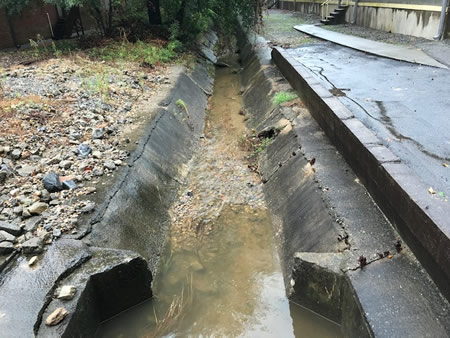
Big roof areas, long parking lots, and busy restrooms all feed your drainage system. During a spring downpour, roof drains, scuppers, area drains, and catch basins can push huge volumes of water into pipes at once. If lines are undersized, partially blocked, or carrying extra debris from winter, flow slows and pressure rises.
When that happens, water looks for the easiest path. It can back up through floor drains, low-lying restroom fixtures, or cleanouts in basements and garages. If your site uses a lift station or ejector pump, power blips and surge loading can trip alarms or stalls.
Common Spring Storm Plumbing Issues In Atlanta, GA
- Storm drain surcharges that send water out of floor drains or parking-lot inlets.
- Sewer gas smells after rainfall caused by siphoned traps or pressure swings.
- Grease and grit stirred up by high flow that redeposit downstream and create new clogs.
- Lift station or ejector pump alarms as wet wells fill faster than pumps can clear.
- Water intrusion in basements or mechanical rooms that hides behind walls and floors.
Facilities across Downtown, Midtown, Buckhead, West Midtown, and the Airport corridor can see these issues, especially on older sites or those with long private runs to the main.
Older Buildings: Vulnerabilities You Can’t Ignore
Many Atlanta properties still rely on aging cast iron, clay tile, or galvanized piping. Time, traffic vibration, and past repairs add up. Joints can slip, scale narrows the pipe, and small cracks invite root intrusion and soil infiltration.
Fixtures in older restrooms may not handle pressure spikes well. Trap primers can fail, leaving floor drains dry and open to odors after storms. Slab settlement can flatten pipe slope, slowing flow and letting solids settle.
Do not ignore repeated gurgling or slow drains after a storm. These are early red flags that the system is struggling and may be one heavy rain away from a true overflow.
How Proactive Maintenance Limits Downtime
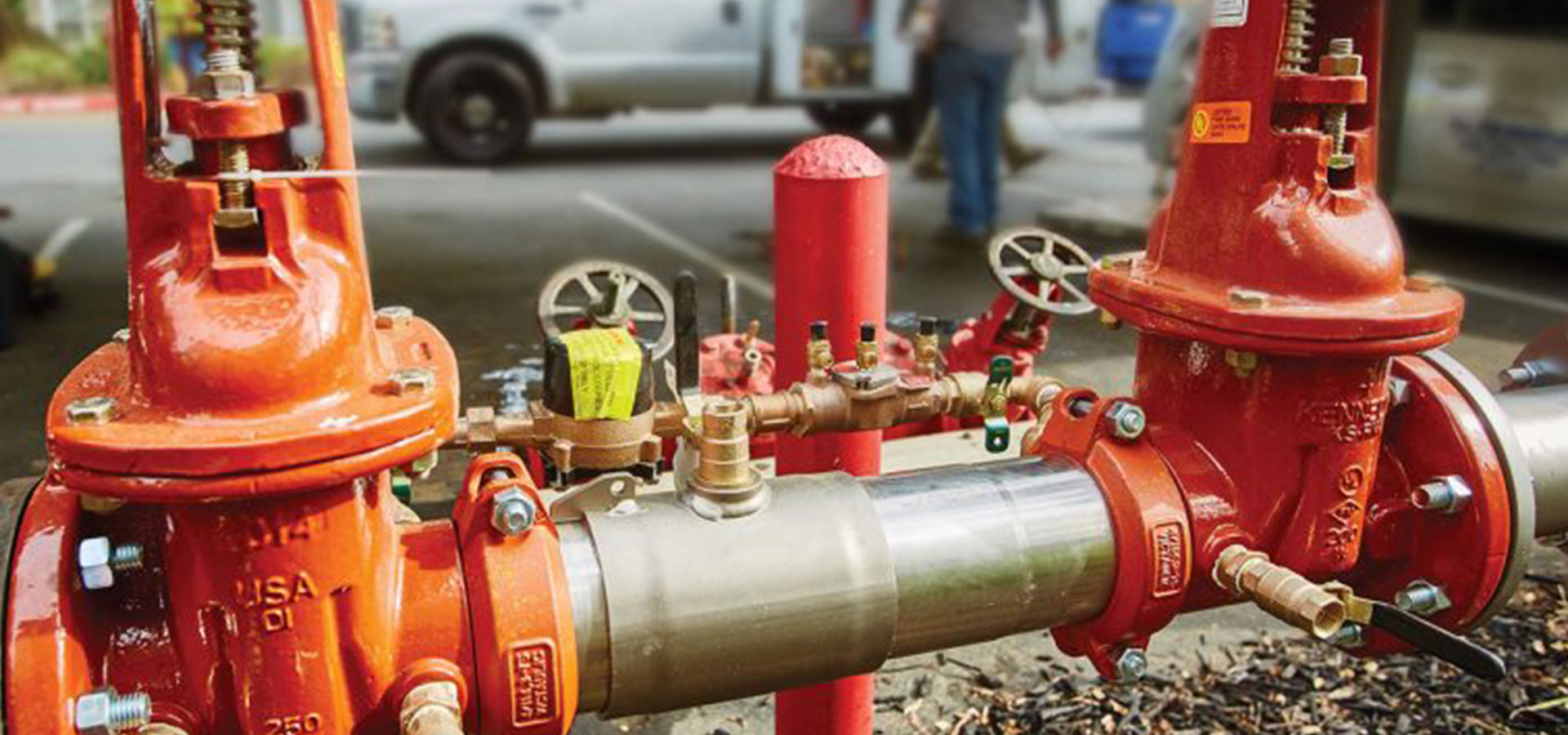
Prevention starts with visibility. A camera inspection maps your system, finds breaks, and shows where scale or grease is building. Hydro jetting scours heavy debris so your pipes can move water when the sky opens. Backflow assemblies should be tested on schedule, and roof drain leaders verified clear before spring.
For a deeper dive into prevention strategy, see this related post: why preventative plumbing maintenance is critical for commercial properties. Pairing maintenance with timely plumbing repairs gives your building the best chance to ride out intense storms without shutting doors.
How Heavy Rain Exposes Hidden Drainage Weaknesses
Even small defects can become big problems under storm load. A slight belly in the line holds grit that breaks loose under surge and clogs a fitting downstream. A marginal sump pump that cycles fine on a normal day may fall behind when the parking lot sends a wave of runoff through slab drains.
If your site has courtyards, loading docks, or below-grade entries, pressure from surface water can force seepage along wall joints. In many cases, storm drain pipe repair or sectional lining corrects the underlying defect and restores safe flow.
Facility Manager Spring Checklist
Use this quick list to align your team and your plumbing partner before the next storm line moves through Atlanta:
- Schedule inspections before peak storm season so cleaning and minor fixes are done ahead of time.
- Confirm roof drains, scuppers, and area drains are open, and the downstream piping is verified clear by camera or jetting.
- Review lift station performance and alarms with your plumber; verify floats, check valves, and backup power readiness.
- Ask for a map of cleanouts and isolation points so your staff knows where systems can be accessed in an emergency.
- Plan maintenance for high-risk zones like food service areas, long flat runs, and older restrooms.
Local Hot Spots To Watch After Storms
High-rises Downtown can see quick pressure swings that stir odors on lower floors. Midtown mixed-use sites combine roof, patio, and garage drainage, which can overload shared lines. Buckhead restaurants deal with grease plus rain-driven surges. Warehouses in West Midtown and along Fulton Industrial often collect runoff at loading docks. Hotels and logistics near the Airport and Hapeville manage large paved areas that feed drains rapidly.
Keep staff out of flooded areas until a professional clears hazards. Standing water can hide damaged covers, live power, or contaminated runoff.
When It Becomes An Emergency
Some signs call for immediate help: water rising in floor drains, recurring backups at the first hint of rain, lift station faults, or water tracking into electrical or data spaces. These conditions escalate fast, threaten health, and risk structural damage.
If your property experiences these symptoms, call 404-966-6285 for rapid response from ACAPX. Our team prioritizes safety and business continuity. Fast action reduces damage and shortens downtime.
Partner With A Commercial Plumber You Can Trust
The right partner helps you plan, not just react. As a trusted commercial plumber in Atlanta, GA, ACAPX focuses on prevention, clear reporting, and proven fixes. From camera surveys to targeted line repairs, our recommendations aim to keep operations steady through the stormy months.
Ready To Prevent Backups Before The Next Storm?
Now is the time to harden your system against heavy rain. Book a preseason assessment so our team can inspect critical lines, test devices, and recommend any needed plumbing repairs. Call 404-966-6285 to speak with ACAPX and get your property ready for Atlanta’s spring weather.