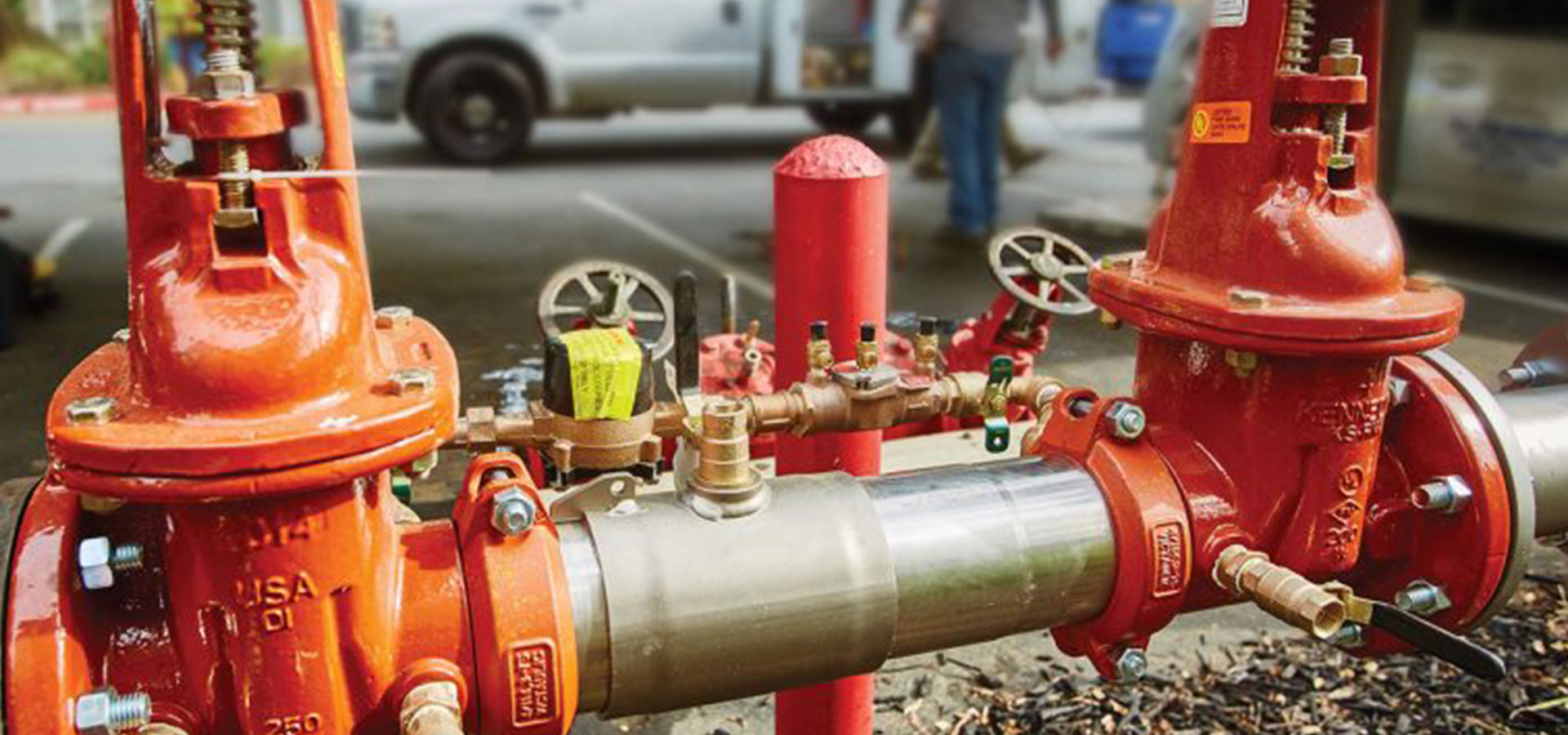
How Atlanta Businesses Can Prevent Sewer Backups During Heavy Spring Rains
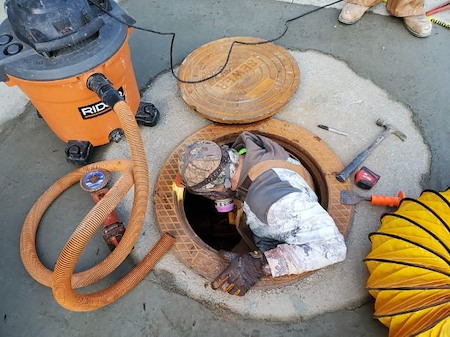
Spring storms hit fast in Atlanta, and that surge of water can overwhelm aging laterals, clogged mains, and root-choked lines. Smart sewer backup prevention in Atlanta starts before the radar turns red. One of the quickest ways to lower risk is to confirm exactly where your lines run and how they’re performing, then act on what you learn. If your team has not mapped cleanouts or verified service routes, begin with professional line locating and inspection through sewer line locating.
Whether you manage a restaurant in Buckhead, an office in Midtown, or a warehouse near Hapeville and College Park, the recipe is the same: reduce what enters the system, remove what’s already inside, and build in a margin of safety before storms arrive.
Why Spring Rains Push Local Sewer Systems To The Limit
Atlanta’s spring pattern of quick, intense downpours sends a lot of water into and around building drainage in a short window. Think of your sewer lateral like a tunnel: when traffic spikes, any stalled car becomes a jam. In plumbing, fats, oils, grease, wipes, silt, and roots are the stalled cars. A sudden rush from roof drains and site runoff exposes weak spots, turns small obstructions into full blockages, and can force sewage back into low-level restrooms or floor drains.
Older neighborhoods such as Old Fourth Ward, West End, and parts of Downtown often have mature trees and older pipe materials. Even newer corridors like the Perimeter can see backups when heavy use meets poor flow or uneven grades. The best time to fix these chokepoints is on a clear day, not when the storm sirens go off.
Top Prevention Moves For Commercial Properties
Every building is different, but reliable prevention follows a simple, pro-first plan. The steps below focus on policy, scheduling, and professional service rather than do-it-yourself work.
- Set a recurring maintenance schedule that matches usage. Food service, healthcare, schools, and venues with weekend spikes often need more frequent cleaning and inspections.
- Adopt a strict grease policy and verify your interceptor is serviced on time. If you see slow sinks or frequent odor complaints, increase service frequency.
- Book predictive service before peak storm weeks. Hydro jetting and camera checks find and clear trouble while the weather is calm.
- Confirm cleanout locations and label them. Make sure staff can point a technician to the right spot in under a minute.
- Plan for power disruptions. If you rely on pumps, verify backup power and alarm notifications are tested.
When scheduling, ask for service windows that keep you operational. Pro teams can perform night or early-morning work to avoid downtime. Many Atlanta facilities pair routine commercial drain cleaning with a video inspection to document the line’s condition for insurance and risk planning.
How Proactive Maintenance Pays Off
Proactive service saves time twice: once when you avoid an outage and again when your team spends fewer hours chasing complaints. For high-use lines, hydro jetting removes grease, scale, and root fronds that basic snaking can miss. Camera inspections then confirm that the line is clean and identify cracks, sags, or intrusions before they turn into backups.
If you operate across West Midtown, Inman Park, or along the airport corridor, map and document where every lateral runs. Pair video with accurate locating so you can plan future repairs and avoid surprises during site work. A clear map also speeds response during a heavy rain event because techs know exactly where to access the system.
If your property managers maintain multiple buildings, centralize records and photos. A consistent, building-by-building log helps you spot patterns such as seasonal slowdowns or recurring trouble after landscaping projects. For deeper infrastructure planning, consult underground services to understand how utilities and drainage interact on your site.
Atlanta Risk Factors You Can Manage
Some risks come with the territory, but you can manage them with the right plan:
- Trees and roots: Grand oaks and maples are part of Atlanta’s charm. They also seek moisture at joints and cracks. Regular jetting and root-focused treatments keep intrusion from becoming a blockage.
- Grease load: Restaurants in Buckhead, Midtown, and East Atlanta Village see higher grease levels. Document interceptor service and train staff on disposal.
- Low fixtures: Basement restrooms and floor drains at older sites are common backflow points. Ask your plumber to evaluate backwater valve options for professional installation.
- Construction activity: Vibration and heavy equipment near lines can open joints or create sags. Inspect after major site work.
Do not ignore early warning signs like frequent gurgling, recurring slow drains after rain, or odors near floor sinks. These flags often show up days or weeks before a true backup.
What A Professional Sewer Risk Assessment Includes
Think of this visit as a pre-storm physical for your building. A trained team will walk your site, verify cleanouts, review fixture elevations, and scan near known pinch points such as food-prep lines and warehouse floor drains. Then they will run a camera through the main and key branches to check for scale, grease, roots, cracks, and bellies. If they find issues, they can mark locations at the surface for planning and estimate the best corrective action.
If you do not yet have accurate maps, start by confirming line paths and depths with sewer line locating. This helps avoid costly guesswork later and speeds any needed repair. Many Atlanta facility teams keep these maps with their emergency plan so anyone on duty can brief responders in minutes.
Hydro Jetting And Cleaning For Heavy-Use Lines
Hydro jetting uses high-pressure water to scour the inside of the pipe. For kitchens, food courts, cafeterias, and breweries, this method breaks up hardened grease and flushes it downstream for proper removal. For tree-lined streets, jetting can clear fine root hair that catches debris even after cutting. It also preps the line for a clear camera read, which documents that the pipe is clean and confirms the shape of the line.
For many operators, a seasonal plan makes sense: clean and document in late winter, verify in early summer, and adjust if fall leaves and holiday traffic add load. Schedule maintenance before peak storm season so you are not competing for service during a citywide rain event.
Designing A Practical Storm Week Response Plan
Your goal is to reduce chaos when forecasts turn ugly. Keep a one-page plan where managers can find it quickly. Include the order to shut down vulnerable fixtures, the location of cleanouts, who calls vendors, and how to reach building security. Store wet-floor supplies and mark utility rooms so staff can act fast without guesswork.
Post your plumber’s number near the main panel and in your digital building log. Save sewer backup prevention in atlanta resources so staff can brief new hires during spring onboarding. If the National Weather Service issues a watch, move from routine operations to readiness: confirm alarms, walk low areas, and have keys ready for quick access.
Keep your emergency contact ready and make sure the person with authority to approve service is on-call during severe weather. Minutes matter when you are protecting inventory, electronics, and customer spaces.
Operations Policies That Reduce Backup Risk
Simple, consistent policies make a big difference across a busy campus or multi-tenant building:
Never flush wipes or disposable linens, even if the packaging says “flushable.” Post signage for staff and cleaning crews. Audit restrooms after large events or high-traffic weekends.
In kitchens, maintain a written grease policy and train every shift. Confirm strainer baskets are used and grease bins are emptied on schedule. Log interceptor service dates where managers can see them at a glance. In maintenance shops, keep absorbents handy and dispose of chemicals responsibly so they never enter floor drains.
For properties with pumps, verify alarms reach someone who can respond quickly. Test backup power during fair weather. If your site uses stormwater controls, coordinate with landscaping so inlets and swales are clear before big rain systems arrive.
When To Call For Help
Call early if you notice patterns like slow drains after every rain, sewer smells in low areas, or frequent resets of pump alarms. Businesses around Decatur, Chamblee, Doraville, and Smyrna often experience heavy use at peak hours; small issues can turn into outages when storms add volume. A quick preventative visit can be the difference between a normal day and a scramble to protect customer areas.
If your team needs a map, a baseline camera inspection, or help planning service intervals, start with the basics and build a schedule around your use. That first map and video become your north star for decisions the rest of the year.
Be Ready Before The Next Big Line Of Storms
Atlanta weather rewards the prepared. Get your lines located, documented, and cleaned, then keep them that way with a realistic plan. The team at ACAPX can coordinate inspection, jetting, and mapping around your hours so you stay open and confident when clouds build.
To put a plan in motion now, call 404-966-6285 or start by booking professional line verification through sewer line locating. A clear picture of your system today is the best insurance for tomorrow’s storms.